BLOG
Smart Factory or Measurable Factory? The Biggest Misconception in IoT
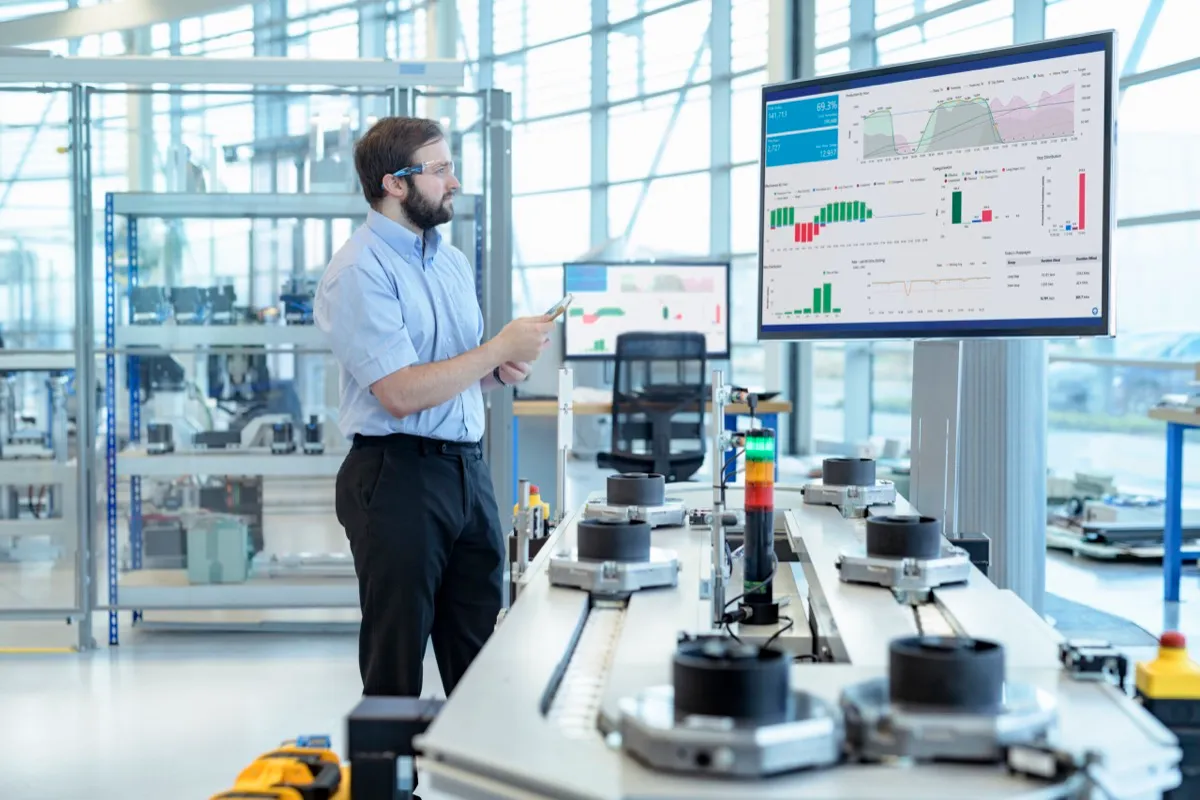
The concept of "smart factory" is frequently used in industry. However, as we approach 2026, the real differentiator is not how smart factories are, but how measurable and manageable they are.
Being Smart Is Not Enough, Being Meaningful Is
The presence of sensors, dashboards, and automation systems in a production facility does not alone constitute a "smart factory."
Real value emerges in how the data from these systems is interpreted and what decisions it drives.
A common situation observed in the field is:
There is data, there are charts, but there are no decisions.
This is the biggest misconception limiting the potential of IoT projects.
Measurability Is the Prerequisite for Manageability
The measurable factory approach aims to monitor every step of production in a clear and comparable manner.
Indicators such as machine downtime, cycle times, energy consumption, quality deviations, and production efficiency only become meaningful when measured correctly.
IoT systems at this point must transform into structures that not only collect data but prioritize and provide context.
Which data is critical, which is for monitoring purposes?
At which thresholds should action be taken?
Without clarifying these questions, being "smart" is not possible.
Dashboard ≠ Decision-Making Mechanism
Many IoT projects start with visually impressive panels but fail to sufficiently impact operations.
Yet real-time production management requires:
- A structure that detects instant deviations,
- Provides root cause analysis,
- Guides operators or managers.
In this approach, data becomes not a passive output but an active production component.
2026 Perspective: Less Data, Better Decisions
In the coming period, success will lie not in measuring everything possible, but in measuring the right things.
Measurable factories will be managed with simple, reliable, and actionable indicators rather than complex data heaps.
This approach both increases operational efficiency and strengthens human-machine collaboration.
Conclusion: The Factory of the Future Is the Measurable One
The smart factory concept is gradually giving way to the measurable and manageable factory approach.
The real value of IoT lies not in generating data, but in enabling the right decisions.
In 2026, competitive advantage will be determined not by how many systems you have, but by how accurately you can generate results from your systems.