BLOG
Robotic Bin Picking Investment Guide: Cost Analysis and ROI Timeline
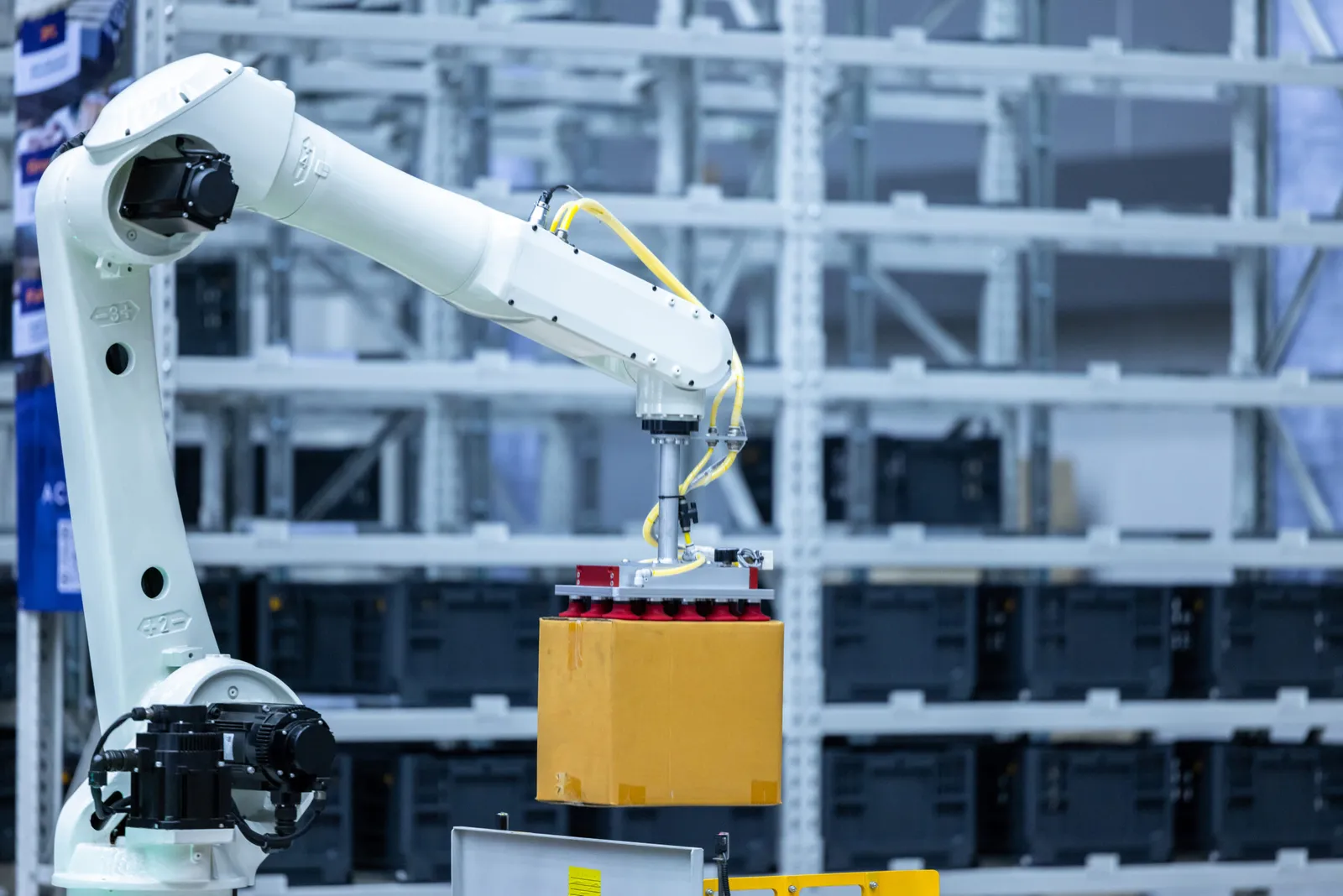
The first question from manufacturers considering investing in bin picking systems is usually the same: “When will this investment pay for itself?” The answer, when properly configured, is much sooner than you think.
What Does a Bin Picking System Cost?
A bin picking investment consists of four main components. The first is the robot arm - a six-axis industrial robot or cobot, selected based on the application's payload capacity and reach distance. The second is the 3D camera system - industrial scanners such as Photoneo or Mech-Mind that generate depth maps of parts. The third is the software and AI layer - which includes object recognition, path planning, and collision avoidance algorithms. The fourth is integration and commissioning - covering mechanical design, gripper selection, line integration, and training.
The total cost of these components varies depending on the complexity of the application. Part geometry, surface characteristics, and cycle time expectations directly impact the total budget.
Factors That Determine ROI Timeline
The most critical variable determining the speed of return on investment is how many shifts the system will operate. In manual operations, a worker can feed a certain number of parts in a single shift, while a robotic system can operate three shifts without interruption. This means three times the production capacity with the same investment.
The second factor is the error rate. In manual feeding, losses occur due to misdirection, dropping, and line stoppages. AI-powered systems like MIS-PICK reduce these losses to nearly zero. The third factor is labor cost - when operator salaries, social security contributions, overtime, and turnover costs are factored in, the advantage of the robotic system becomes clear.
A Typical Scenario
On a production line operating three shifts, two operators work at the part feeding station. The annual total labor cost, including overtime and benefits, constitutes a significant budget item. When the MIS-PICK system is deployed, operators are assigned to value-added tasks, line downtime decreases, and cycle time shortens. In most applications, the payback period ranges between 12 and 24 months.
How Should the Investment Decision Be Made?
The right approach is to calculate the total cost of ownership. It is necessary to compare not just the initial investment amount, but also maintenance, energy, training, and production loss costs. A feasibility study is the foundation of this decision.
As MIS Automation, we offer project-specific feasibility analysis with our MIS-PICK solution. Contact our team for an ROI calculation based on your existing line data.