BLOG
Digital Twin in Manufacturing: Virtual Modeling for Process Optimization
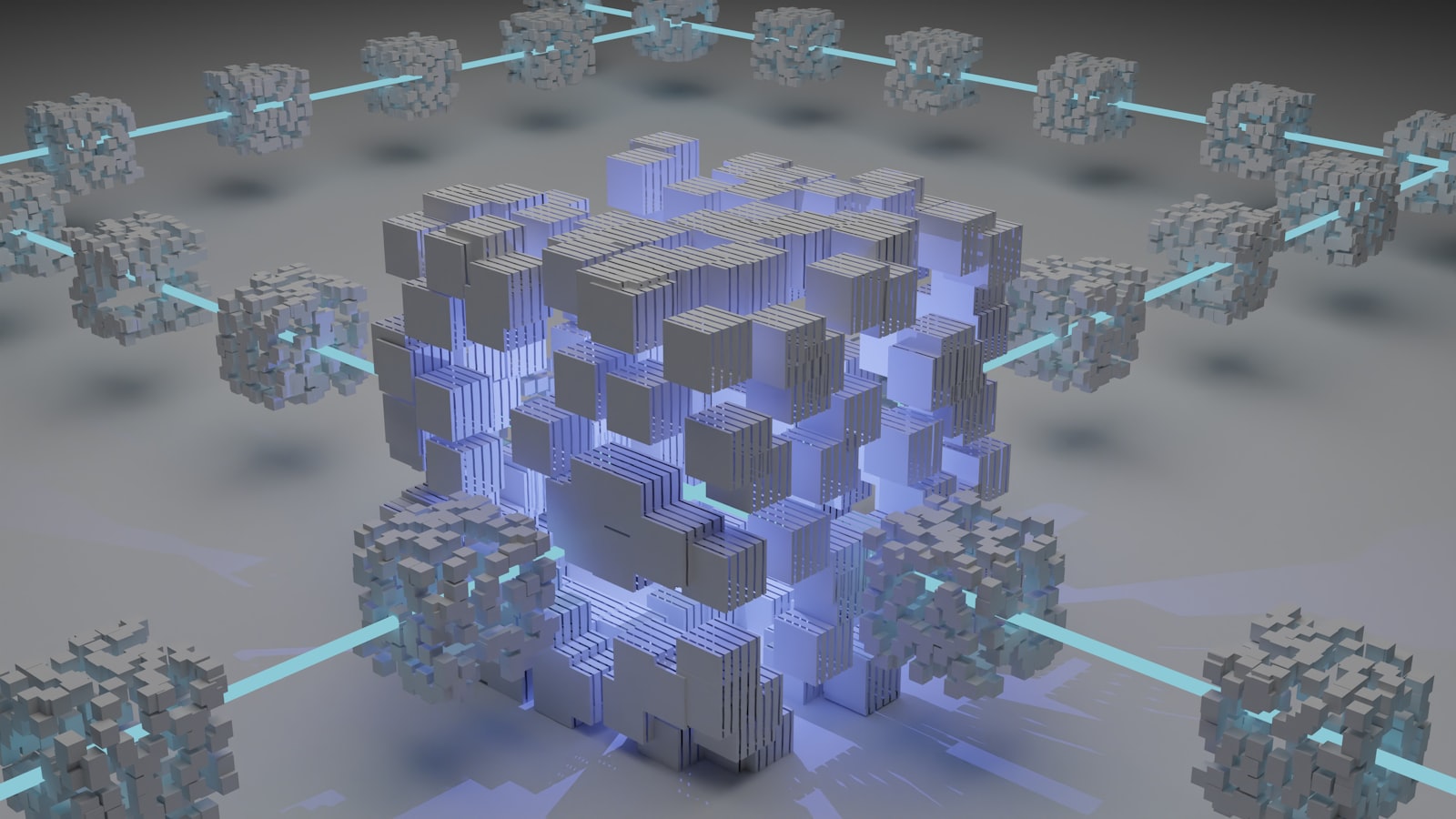
A digital twin is a virtual replica of a physical asset — a piece of equipment, a production line or an entire factory — continuously fed by real-time sensor data. The virtual replica is not just a 3D model: it is a living system that simulates the behavior, physics, performance and condition of its physical counterpart in parallel.
According to Gartner, by 2027 75% of large manufacturers will be using a digital twin in at least one critical process. Typical reported gains include 20-30% productivity improvement, 30-50% shorter product development cycles and meaningful drops in energy consumption. In this article we cover the digital twin from the ground up: components, manufacturing applications, integration with predictive maintenance, and a roadmap to adoption.
What is a Digital Twin?
A digital twin rests on three requirements:
- Physical asset: A motor, robot, production cell or entire plant.
- Virtual model: Geometry (3D CAD), physics (mechanical, thermal, fluid), control logic and behavioral rules.
- Bidirectional data bridge: Sensor data flows from the real world to the twin; decisions and commands from the twin flow back to the physical system.
What sets it apart from a regular 3D model is this two-way live link. The twin lives at the same time as its physical counterpart.
Components of a Digital Twin
- Geometric model (3D CAD): Dimensions and spatial layout of the equipment.
- Physical model: Simulation layers like mechanical strength, thermal behavior, fluid dynamics.
- Behavioral model: Control logic (PLC code, machine learning).
- Sensor integration: Continuous flow from IoT devices, cameras, PLC data.
- Visualization layer: Web/AR/VR interfaces for operators and engineers to monitor the twin.
Digital Twin Applications in Manufacturing
Use cases that drive real value in the field:
- Predictive maintenance simulation: Sensor data flows into the twin, an AI model computes failure probability against the twin.
- Process optimization: "What if we increase line speed by 15%?" is tested on the twin without touching the physical line.
- New product introduction: Virtual validation of a new product on the line dramatically shortens physical commissioning time.
- Operator training: New team members train on the twin without risk to actual equipment.
- Energy optimization: Energy impact of different operating scenarios is analyzed on the twin.
Digital Twin + Predictive Maintenance + Quality Control Integration
The most powerful scenario is when these three work together. Quality inspection cameras (such as MIS-INSPECT) process every part the line produces and feed metrics to the twin. The predictive maintenance model streams equipment vibration and temperature data into the twin. MIS-AGENT manages the versioning and deployment of the AI models.
The result: hours before a failure, the system says "Equipment X has Y probability of failure, slight deviations have started in quality control, maintenance is recommended in the next 6 hours." That level of integration is the definition of Industry 5.0.
A Roadmap to the Digital Twin
- Pick a pilot equipment/line: A factory-wide twin is a scalable dream; start with a single critical asset.
- Build the sensor infrastructure: Without good data the twin is a "dead" model. IIoT investment is a precondition.
- Prepare the 3D model + physics simulation: Start from existing CAD, physics engine integration follows.
- Bring the data flow alive: Continuous feed from sensors into the twin.
- Run the first valuable scenario: Start with predictive maintenance or process optimization — show ROI.
- Scale: As success proves out, expand to other equipment and lines.
Common Mistakes and Success Factors
- "Digital twin = 3D animation" misconception: A real twin runs on live data; a static 3D model is not a twin.
- Data silos: PLC, MES, ERP and sensor data must merge into a single data layer.
- Lack of model calibration: The most common failure cause is the virtual model not matching reality. Calibration must be continuous.
- Operations team excluded: A twin built in the engineering office that nobody uses on the floor never lives.
Conclusion
The digital twin lets you experiment with production processes without risk, manage them with real-time data, and make forward-looking decisions. It is one of the foundational technologies of Industry 5.0 and, done right, permanently transforms production economics. MIS Automation is happy to share field experience on integrating quality control and AI on the floor with your digital twin architecture.