BLOG
Force-Controlled Robot Hand: Gripping Fragile and Delicate Products Without Damage
Not Every Part Is Hard and Rigid
Classic industrial grippers operate with a fixed force and work well on rigid, standard parts. But on fragile, deformable, delicate-surfaced or variably shaped products, a fixed force leads to either damage or a failed grasp. In areas such as food, agricultural produce, cosmetic packaging, glass and sensitive electronic components, gripping force must be adjusted to the part.
Force-Controlled and Tactile Gripping
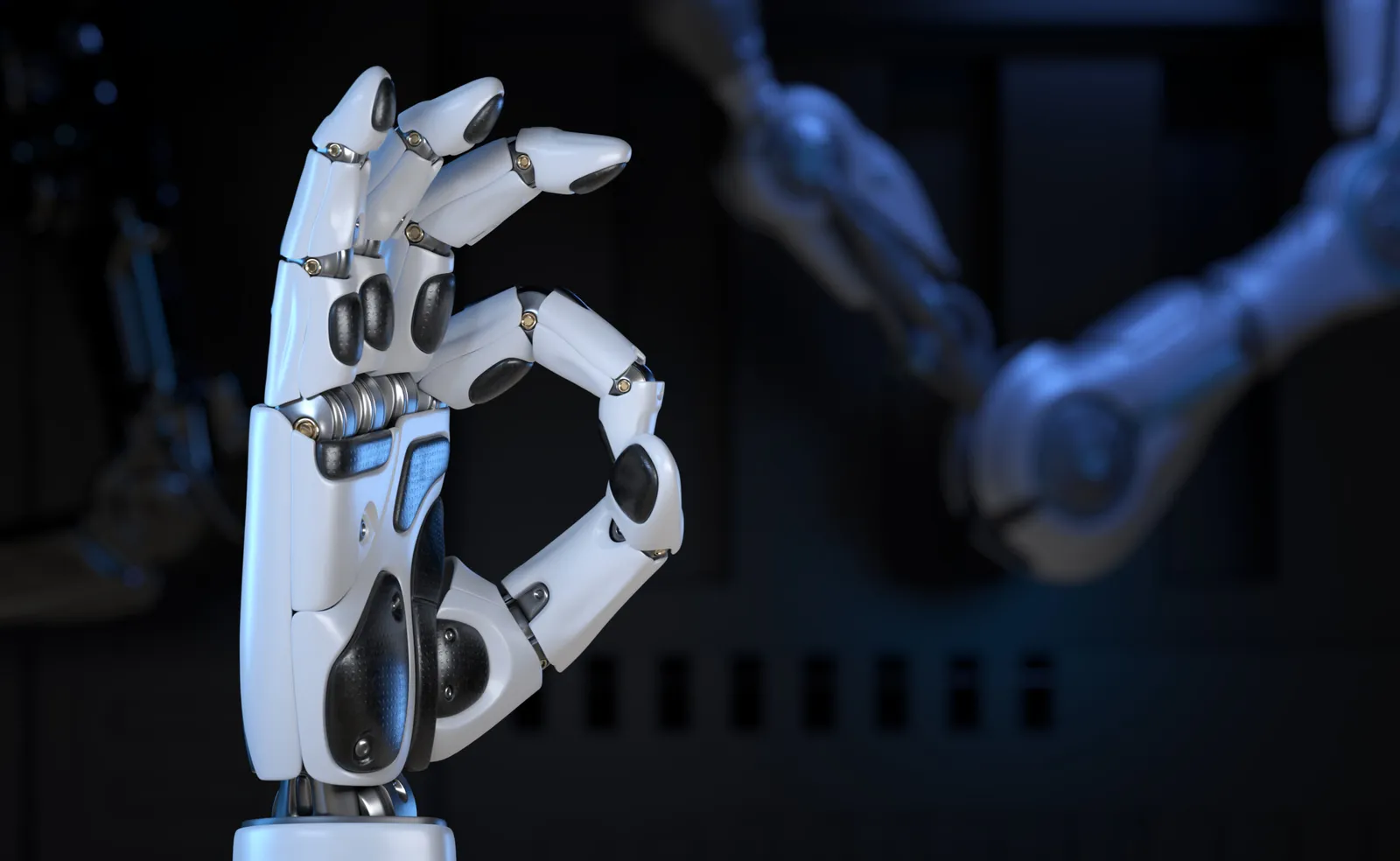
MIS-TOUCH® is a robotic hand technology based on force control and tactile sensing. Thanks to its multi-finger structure and network of tactile points, it applies the right gripping force for each product and senses the moment of contact, minimizing skin damage, crushing and slippage. As a result, a single hand can grasp products of different shapes and hardness without changing grippers.
A Capability That Works in the Field, from Agriculture to Food
This force-controlled gripping capability is also used in MIS Automation’s autonomous citrus harvesting robot MIS-AGRO®: the robot grasps ripe fruit without damage and reduces stem breakage. The same approach creates value in handling delicate products on food lines, in cosmetic and glass packaging, and in precision-assembly applications. Precise gripping is now a field reality, not just a lab demo.
Where Does It Make a Difference?
- Handling fragile and deformable products without damage
- Flexibility with a single hand for products of variable shape and hardness
- Reduced waste and damage in agricultural and food products
- Precision assembly and controlled placement applications
How Does Force Control Work?
A classic gripper controls position only: close or open. A force-controlled hand, by contrast, measures and regulates the applied force in real time during contact. This is achieved by jointly evaluating joint torque/current feedback and tactile sensor data; the system senses the moment of contact and the gripping force and responds according to the product’s limits. As a result, the same hand can hold both a rigid metal part and a fragile fruit with appropriate force.
The network of tactile points also increases grasp stability: when slippage begins, the contact distribution changes and the system can adjust the force accordingly. This capability makes it possible to automate the handling of variable, delicate products that were previously left only to the human hand.
Frequently Asked Questions
What is the difference from a classic gripper?
A classic gripper operates with a fixed force and is position-controlled; MIS-TOUCH® is force-controlled with tactile sensing and adjusts gripping force to the product.
For which products does it provide an advantage?
It offers clear benefit for fragile, deformable, delicate-surfaced or variably shaped products, as well as food, agricultural produce, glass and sensitive components.
Can a single hand hold different products?
Yes. Thanks to the multi-finger structure and force control, in most cases there is no need to change grippers for products of different shape and hardness.
How does it relate to MIS-AGRO®?
The same force-controlled gripping approach is used in the MIS-AGRO® autonomous citrus harvesting robot to pick ripe fruit without damage.
Manipulation Approaching the Human Hand
For a long time, industrial robotics controlled position only, not force. Force-controlled, tactile gripping brings robotic manipulation closer to the precision of the human hand and makes possible tasks previously considered unsuitable for automation. Contact the MIS Automation team for your applications that require precise gripping with MIS-TOUCH®.